
Time as a unit – a minute, an hour, a day, a week, or a year – is a quantitative construct. It is universally familiar, measured reliably (at least in terms of chronology), but what do these extra pieces of “time” really mean? And what has been the price to pay to gain them – economically, logistically, or even psychologically? How can we measure the meaning of time and the value to be gained or lost from changes throughout life with or without disease-modifying therapies?
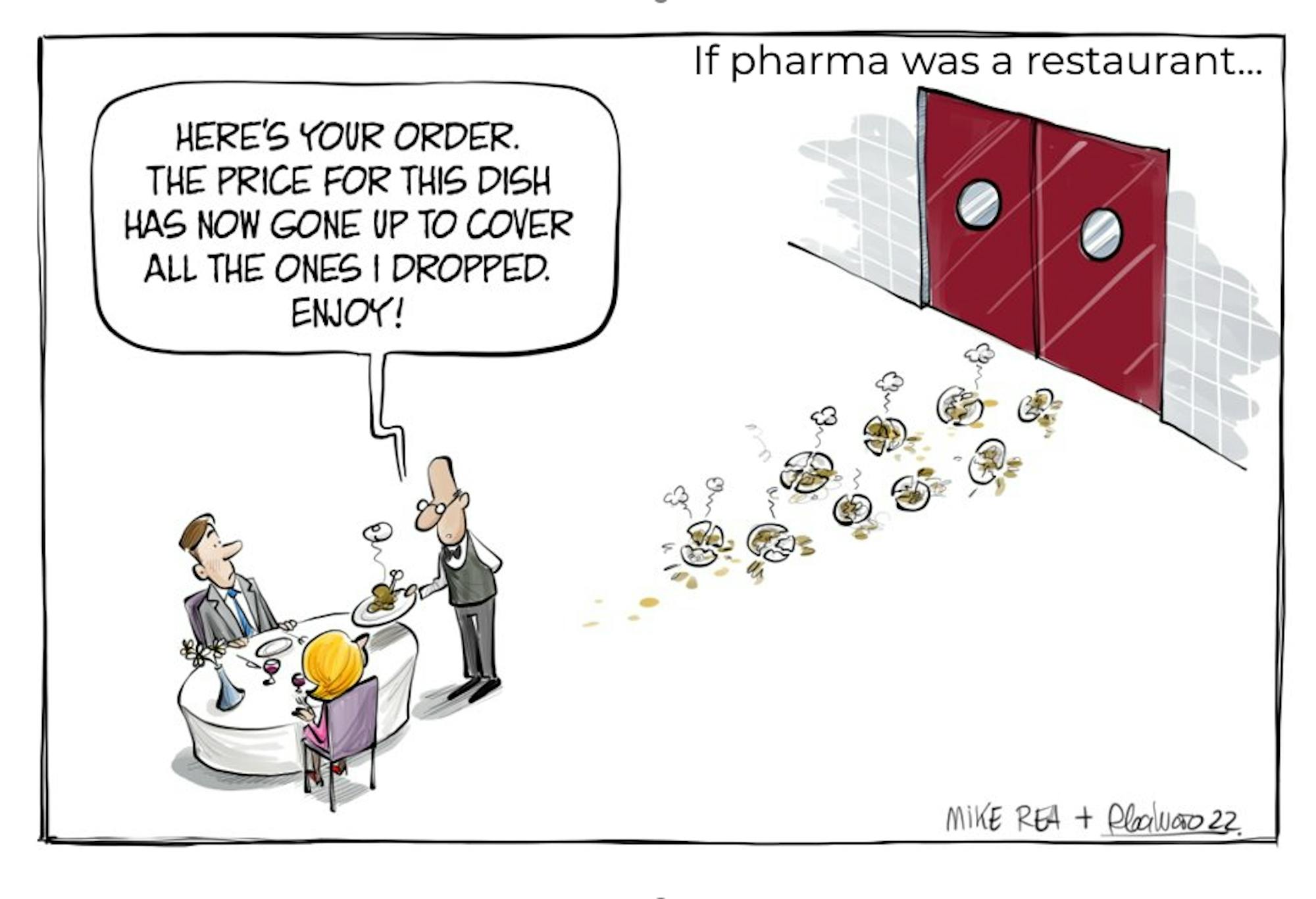
In oncology, incremental improvement in the overall survival of a patient is the gold standard for efficacy outcome, measured in weeks or months – even days. Bearing in mind that published statistics are dated, with survival rates often being several years old at the time of appearing in the press, trends over time still show that median overall survival times have increased for many tumour types. For example, recent publications have reported increases in average survival time from 0.2-0.7 months/year for oesophageal cancer. 0.2-1.0 months per year for gastric cancer (1), 3.6 months for metastatic colorectal cancer (2), 7.3 months in HR+/HER2− metastatic breast cancer (3), and 12 months in primary metastatic colorectal cancer (4) (to give a few examples amongst many). This is a testament to the success of new drug development and introduction. However, in view of the escalating costs and burden (to society) of these new therapies, how meaningful are these increments of weeks or months for a population, payer or patient? After all - particularly in oncology - statistics don't account for variations in people (or tumours), making it very difficult for physicians to manage the expectations of their patients and families. The industry will fight in crowded “markets” and negotiate pricing or reimbursement challenges and loopholes to gain huge incremental revenues, off the back of some additional weeks for people who suffer and eventually die.
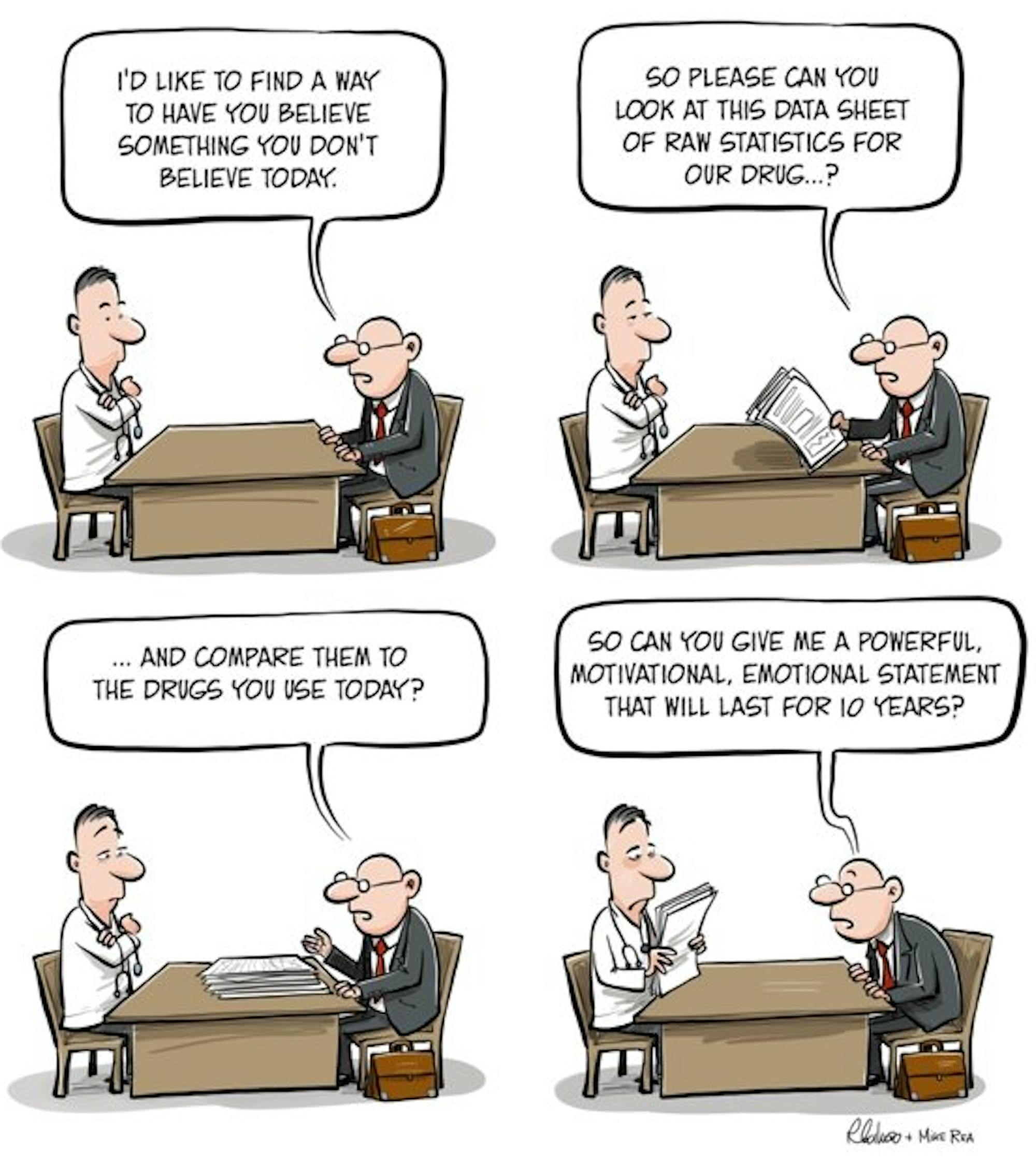
Recently there has been active discussion about the meaningfulness of clinical outcomes, as the scientific community, patients, and families seek to understand the results of clinical trials of new Alzheimer’s treatments. The race for “disease modification” in Alzheimer’s Disease has escalated, as each subsequent biologic plays a numbers game with increasing gains in “percentage decreases in the rate of decline” of this relentless and devastating disease. A recent study (5) attempted to qualify the clinical meaningfulness of efficacy measures, with a focus on Alzheimer’s Disease – using an FDA definition as when “the treatment has a positive and significant effect on how an individual feels, functions, or survives”. In this paper, the lead author proposed that “a 20-30% slowing of disease progression initiated in the earlier stages of Alzheimer’s could mean more time in the less impaired and more functional stages of the disease, as well as delay the onset of severe decline.” When these rates are translated into something more relevant, such as delaying advancement to a certain disease stage, percentages become more tangible for patients and their families. In people with early Alzheimer’s disease, delaying the diagnosis of “dementia” by even a few months may play a valuable role for patients and their families, helping maintain independence, autonomy and quality of life and delaying the restriction of key activities at this later disease stage (e.g., driving, legal representation).
Patients with Parkinson’s Disease report that the motor fluctuations experienced as they lose responsiveness to their dopaminergic treatments are their most troublesome disease feature. Periods of freezing (akinesia - off time) or uncontrollable tremor (dyskinesia - bothersome on time) can be disruptive and distressing to both patients and their families during night and day. New treatments offer incremental reductions in off-time or increases in overall “quality” time (i.e. time outside “off” or “bothersome on” time) which are recorded using patient diaries. However, these gains are measured sometimes only in terms of additional minutes per day. How can we make this seemingly small benefit meaningful to physicians and payers? Is it possible to quantify these changes in a different way – to more accurately capture improvements, outside of relying on patient recollection?
There have been exciting advances in devices to digitally capture movement and activity, being able to track motion, gait, periods of immobility or action. There are devices - belts, halters, watches - the subject can wear during the day and night to carefully capture activity and gait, that have been established as tools in clinical trials, and that have grown increasingly sophisticated in what they can measure. Likewise, there are upcoming digital and device vendors offering the ability to use devices and smart technology to track motion, sleep and qualitative aspects of daily life. Studies can connect motion-activated devices 24 hours a day to apps where subjects record their usual activities before treatment and then track how these change over time (quantitatively and qualitatively). This technology and approach could be used in real-world and clinical trial settings to translate the true value of additional minutes of time into what it means in day-to-day lives.
Time is a healer but also waits for no man. It is precious and once lost, cannot be regained. So many diseases rob people of time – in terms of lives lived or hours wasted in pain, discomfort, or inability to function. Only until we can adequately quantify and qualitatively capture the meaning of time (gained) will we be able to justify the budgets and revenues spent and gained on the development of therapies that incrementally try to turn back health-related clocks.
References:
Kuijper, S.C., Pape, M., Vissers, P.A., Jeene, P.M., Kouwenhoven, E.A., Haj Mohammad, N., Ruurda, J.P., Sosef, M.N., Verhoeven, R.H. and van Laarhoven, H.W., 2023. Trends in best‐case, typical and worst‐case survival scenarios of patients with non‐metastatic esophagogastric cancer between 2006 and 2020: A population‐based study. International Journal of Cancer, 153(1), pp.33-43.
Zeineddine, F.A., Zeineddine, M.A., Yousef, A., Gu, Y., Chowdhury, S., Dasari, A., Huey, R.W., Johnson, B., Kee, B., Lee, M.S. and Morelli, M.P., 2023. Survival improvement for patients with metastatic colorectal cancer over twenty years. Npj Precision Oncology, 7(1), p.16.
Meegdes, M., Geurts, S.M., Erdkamp, F.L., Dercksen, M.W., Vriens, B.E., Aaldering, K.N., Pepels, M.J., van de Winkel, L.M., Peters, N.A., Tol, J. and Heijns, J.B., 2023. Real-world time trends in overall survival, treatments and patient characteristics in HR+/HER2− metastatic breast cancer: An observational study of the SONABRE Registry. The Lancet Regional Health–Europe, 26.
Storås, A.H., Fosså, S.D., Ursin, G. and Andreassen, B.K., 2023. Survival trends for patients with primary metastatic prostate cancer before and after the introduction of new antitumor drugs. Prostate Cancer and Prostatic Diseases, 26(1), pp.53-58.
Petersen, R.C., Aisen, P.S., Andrews, J.S., Atri, A., Matthews, B.R., Rentz, D.M., Siemers, E.R., Weber, C.J. and Carrillo, M.C., 2023. Expectations and clinical meaningfulness of randomized controlled trials. Alzheimer's & Dementia.