In the examples of the Horton 229 ‘flying wing’, the ‘bouncing bomb or the ‘Pathfinder’ force, we saw how opening the minds of the senior decision-makers and ‘short-circuiting’ the insights from the frontline into the decision making, led to great leaps forward in innovation. We also saw with the ‘birth of computing’ at Bletchley park, how a diverse team, with diverse perspectives contributed to their breakthroughs and how by nurturing this diversity, the creativity and innovation were sustained.
Today we can explore the Cold War and how the terror of nuclear weapons drove remarkable progress and how the culture of innovation at the Lockheed Martin ‘Skunk Works’ led to great breakthroughs. We can then consider how that could be useful today – during the COVID19 crisis.
What was the ‘skunkworks’?
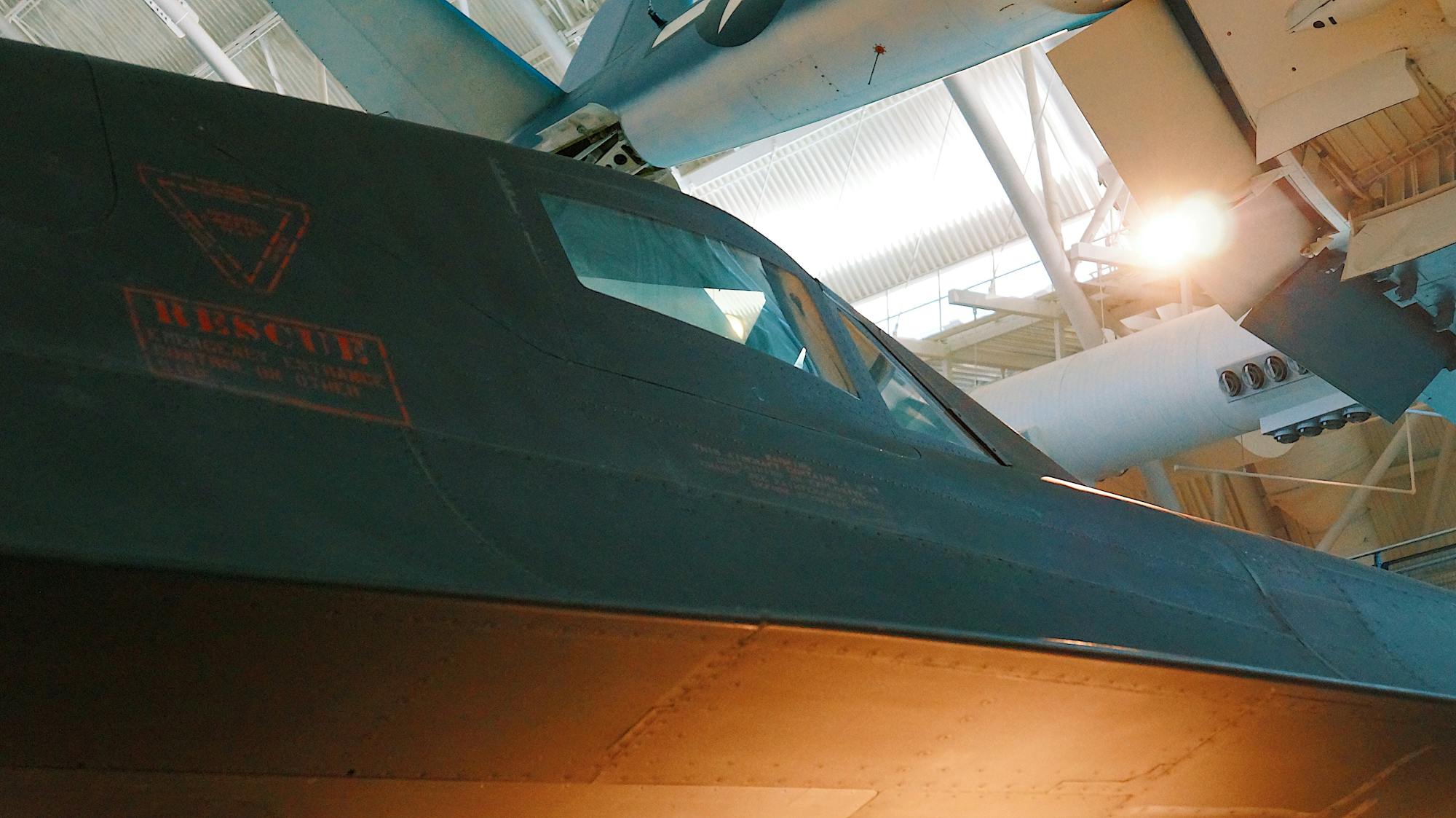
It was created in 1943 to develop the Shooting star and Starfighter aircraft. In 1955 it began the development of the ‘game-changing’ U2 – which was developed in ‘area 51’ in the desert on the West Coast of the USA. The U2 spy plane had the capability to fly at 70000 feet the edge of the atmosphere and to take photos of secret installations. After the U2 became vulnerable to ground to air missiles, another spy plane, the Lockheed SR-71 Blackbird was developed. It could fly at Mach 3+ and remains the fastest manned jet engine aircraft ever.
So how could one team, led by the same person, come up with two such significant leaps forward?
First, the leader was exceptional. Kelly Johnson had a deep passion for aerospace and a very particular way of doing things. He was stubborn and would insist that he was right, whilst caring passionately about his team. Above all, he cared about the mission and he imbued this passion in his team to the extent that the test pilots would keep extending the envelope of the performance of the plane – even if it meant risking their lives. Above all, Kelly believed that things could be done, so best put your energy into finding out how!
Second, the team was an exceptional mix of quite ‘nerdy’ people. Ben Rich – who went on to succeed Kelly Johnson leading the Skunkworks – was able to solve the problem of jet engine failures at over Mach 2.5 by sorting out the engine airflow characteristics with a moveable engine entry cone. The team could find ‘out of the box’ solutions to really difficult physics challenges using brainpower and slide rules. No computers in the Skunkworks when U2 and Blackbird were developed!
What can we learn from this?
Modern companies tend to be made up of similar people and bureaucracy. In a stable time, this enables well organised methodical working to deliver a pipeline of incremental innovations. In a crisis, like the Cold War, this approach may not generate a big enough quantity and quality of breakthroughs. Indeed it is unlikely to do so. So, empowering good trusted business leaders with a team and toolkit to accelerate the rate of innovation just makes sense. In the case of the Lockheed Skunkworks, it was kept separate and secret from the main manufacturing business and operated with a quite different set of rules. These ingredients enabled giant leaps forward to become possible and innovation to accelerate.
Learning from previous crises and deploying proven approaches and processes can remove invisible constraints and can set innovation free. History shows us that innovators are always around. It is bringing them together and providing them with an environment and toolkit that enables innovation to accelerate and new possibilities to emerge.
Subscribe to our newsletter for more insights.
Further reading
-
Announcement
EU Commission's All for One Approach Means None for All When it Comes to Vaccination
The snails paced response of Covid-19 vaccination that is playing out across Europe demonstrates the downsides of working with bureaucratic systems and their relative impact on agility.
-
Announcement
What is Asymmetric Learning?
Let's imagine that you and another team are given the same molecule to develop.