This lends new considerations for what makes effective leadership, as a manager must be able to reach out and inspire their people across borders and media channels. As leaders of teams or companies, what can we learn from the complex leadership styles of online influencers (whether this be the head of an online community, opinion leader or vlogger), in terms of generating allegiance and motivation? How can external and internal communications through digital or offline media engender trust in our teams, and how should a leader’s communication style adapt to this new digitally privileged environment?
Leaders of social media platforms need the same qualities as direct “offline” leaders but they must be even more willing to share information with their followers, as well as be resilient to direct criticism and even “hate”. An online community differs significantly from a traditional organization, political party or even country. It is easy to join or to leave and can be openly criticized from within, leading to high turnover and an unstable structure that the leader must hold together through their strong virtual presence.

There have been a few studies on specific traits/behaviors that online leaders need to manifest to be successful (success in this case being measured by the number of people who subscribe/register/view/stay). Online leaders have a broad reach, and their actions have the potential to influence behaviors or set agendas for millions of people. Those found to have the highest influence are highly active on the online platform (akin to visibility in the workplace), have credibility and idealized behaviors, demonstrating authenticity as a leader.
They also use language and material that are relevant to the people they connect with: proximity to the community’s preferred communication style enhances their leadership appeal and membership numbers. Therefore, online leaders display all the attributes of strong offline leaders but have the added challenge of having to maintain ongoing engagement with a wider and potentially fluid or fickle set of followers.

We should think hard about traditional leadership and how it can leverage the experience and qualities demonstrated by these social media gurus. Today’s workforce is probably at its most divergent in terms of experience and comfort with digital communication channels, comprising completely digital generations and others who have acquired digital communications over time. These generations differ in how they use digital media and have different expectations and requirements of how their organization, in particular company leaders, communicate with them in the workplace. Indeed, there are people who have grown up accustomed to total connectivity through online platforms and for whom information sharing is a way of digital life.
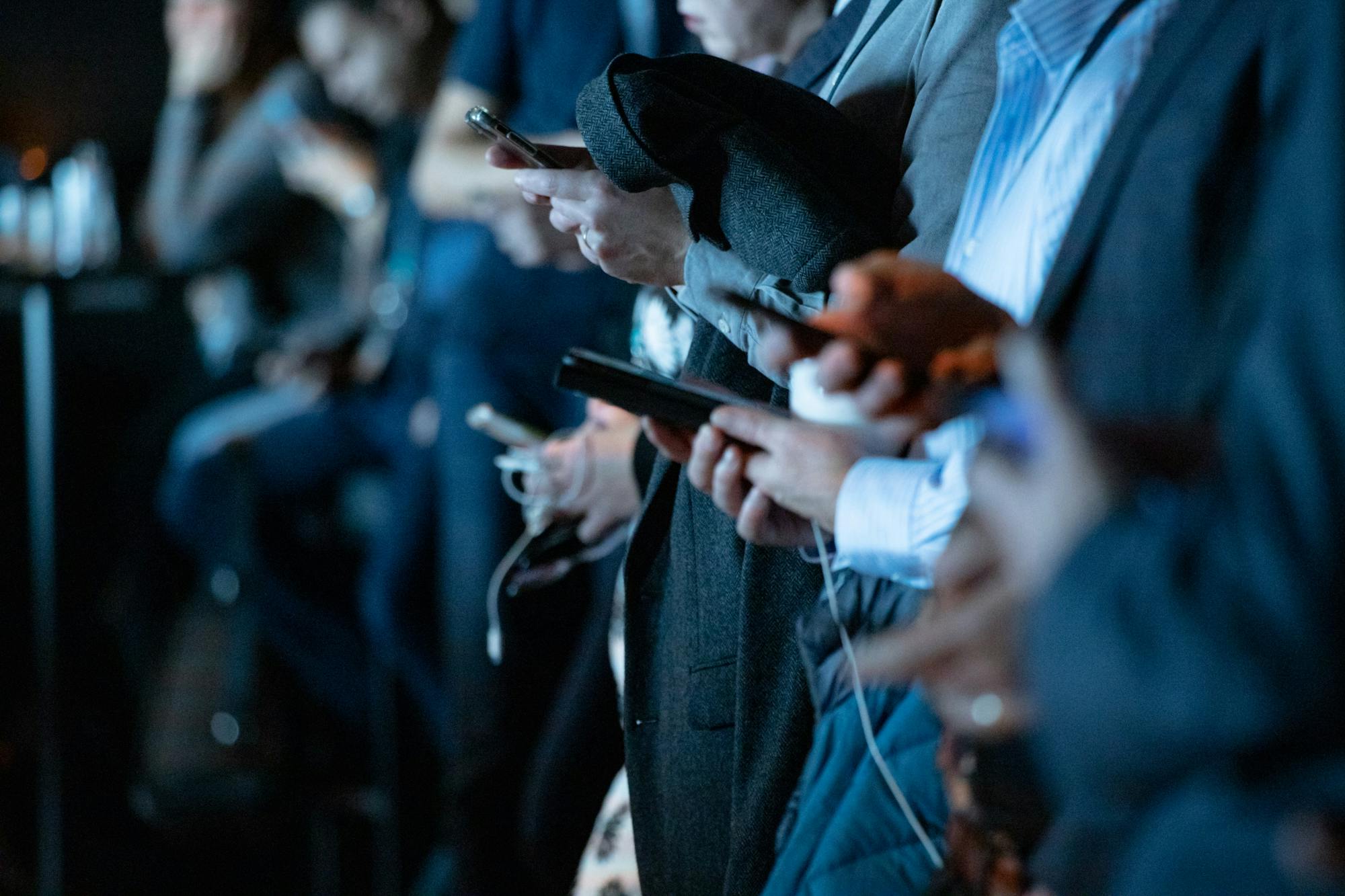
Therefore traditional “offline” leaders must embrace this change and find new ways to engage with their organizations. We see this through the increasing external use of social media such as “X” (formally known as Twitter), LinkedIn or Facebook by organizations and leaders of companies to disseminate professional and even personal information. In doing so these individuals strengthen their reputations, consolidate relationships with followers and become more accessible and familiar to a wide audience.
Internal communication is pivotal to help organizations establish shared values and culture and drive positive connections between employee and employer. The internal communication approach used by a company has been shown to influence how much employees trust their line managers and senior leaders. Two-way, informal, and personalized communication creates a sense of community and engenders trust between individuals. Such a symmetrical communication strategy is a powerful way of building dialogue and understanding between company leaders and their employees. This communication style focuses on openness and bilateral information exchange within the organization and has been shown to be associated with transformational leadership behaviors and enhanced employee satisfaction.

Leaders should leverage different styles and media channels to communicate internally, with strategies designed to establish as far as possible an interactive and empowering communication platform. Earlier (pre-internet) studies suggested that face-to-face interactions between leaders and employees helped develop relationships between them far better than written communication, especially when these interactions were informal and personal.
In this digital era, even if social media is used relatively infrequently internally by corporate leaders, it is significantly related to a positive perception of their communications by the employee and linked to improved organizational relations. Part of the strength of symmetrical communication achieved through face-to-face meetings is the ability to engage in non-essential verbal and non-verbal exchange that enables people to relate to each other as individuals and human beings, and establish mutual trust.
By sharing informal and personal information through social media, leaders strengthen their in-group identity and through social exchange develop emotional attachments with their followers. Therefore, particularly for large or geographically diverse organizations, internal social media communication provides leaders with the opportunity to develop affective relationships with a wide range of employees, far beyond the possibilities afforded by traditional face-to-face engagement (even if digitized as a Zoom call).

The use of social media as an internal communication tool (as well as an externally facing channel) is effective in building emotional connections between leader and employees especially with those accustomed to digital immersion. Company leaders need to tap into different media when communicating with their team or workforce in this digitally divergent setting. The differential impact of digital vs offline interactions, often depending on culture and age demographic, has important implications for an organizational leader to consider when defining objectives of a communication campaign and the media practices and preferences of their team members and leadership style.
While external social media is becoming a recognized communication channel to enhance reputation and reach for Pharma companies and individuals within, we should not neglect the opportunity to leverage these platforms to motivate and inspire the real power behind the products – our people. Let’s take some digital leaves from the e-books of those prominent Youtubers, Tik Tokkers and Instagram influencers, make steps to enhance and embolden internal communications through social media platforms (convert that shared drive to an internal Facebook or Instagram), and so engage and motivate our teams.