So, what can we learn about the culture of innovation during these unusual periods of history? As it turns out, quite a lot.
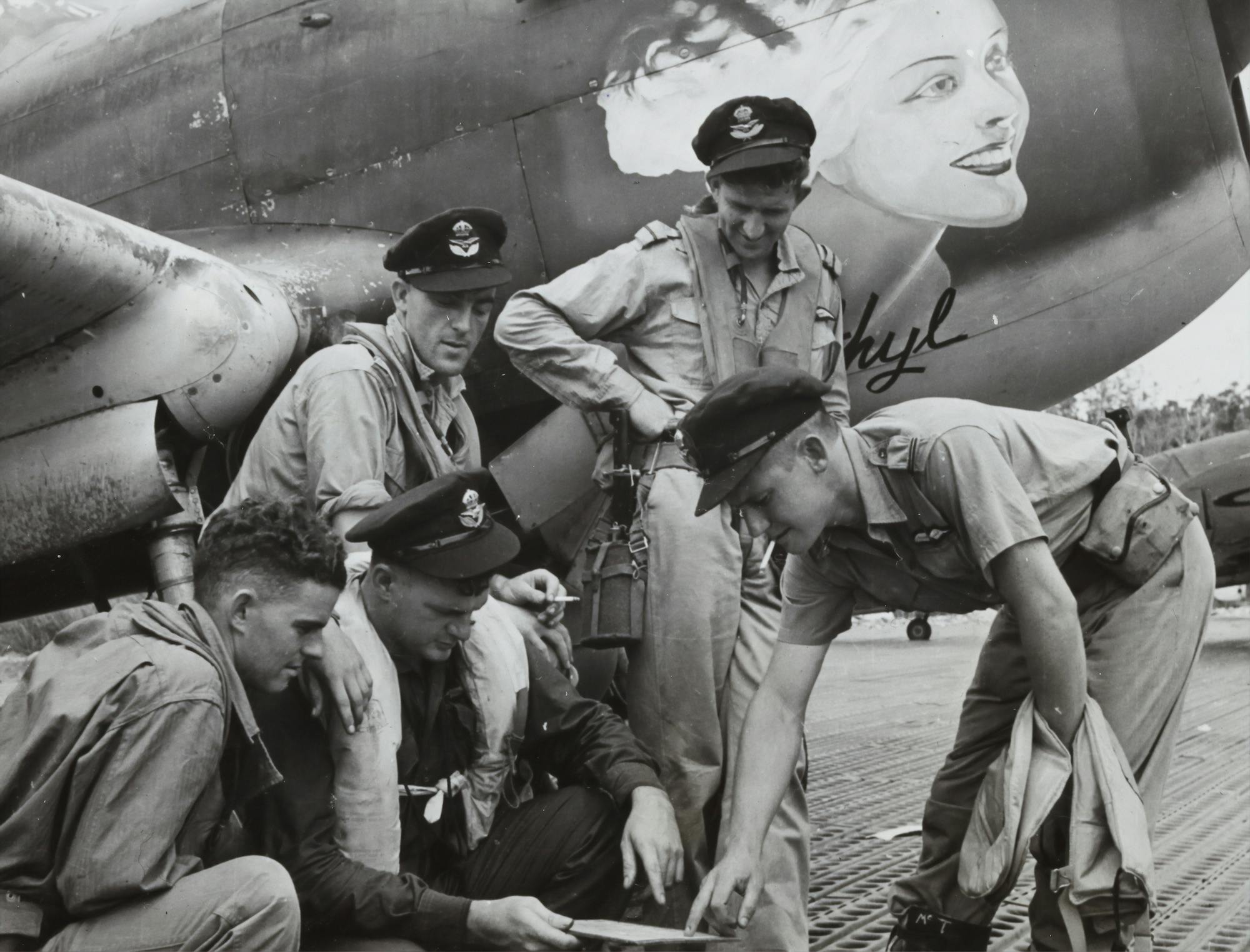
Humans beings are driven away from pain and towards pleasure. In a global crisis, the pain is acute and, to minimise this, many of the typical constraints that limit innovation drop away. People in positions of power have to consider innovations that they would typically reject or let 'wither on the vine', believing that the risks outweighed the rewards. Take the British Royal Air Force Bomber Command in 1942. The officer in charge – Arthur Harris – did not favour precision bombing and in normal times would probably have blocked both the 'Dambusters' raid on the Ruhr dams and the creation of the Pathfinder Force (which aided bombing accuracy). Both of these made a significant contribution to the outcome of the war. Both were championed by less senior people who were closer to the reality of what was going on in the front line. It is the 'freeing up' of high-level decision making and the 'short-circuiting' of the connection between the front line and decision making that can enable this kind of acceleration of innovation.
So, in the Covid19 crisis, organisations that open their senior-level minds and 'short circuit' the insights from the front line may well enhance the quantity and quality of innovation to their advantage. The opening of those minds is easy to say, but how do you do that in practice? It won't just happen. Innovation processes such as the IDEA Pharma's FIVE-X' process can enable this and are an excellent way to accelerate the consideration of 'out of the box' ideas. And how do you 'short circuit' and connect the insights from the front line directly into the organisational decision making? Insight is captured by bringing the voice of the stakeholders – patients, healthcare professionals, hospitals etc. – into the heart of decision making. The IDEA Pharma 'Immersion' process is one tool to enable this.
Learning from previous crises and deploying proven processes to address the innovation constraints can set innovation free. History shows us that innovators are always around. What innovators need are the tools to enable change, and then an organisation can accelerate its rate of innovation and can make significant leaps forward.
Subscribe to our newsletter for more insights.
Further reading
-
Announcement
Punctuated Evolution in US Healthcare: Has the COVID-19 Asteroid Struck?
The U.S. healthcare vertical continues to lurch towards a value-based care model and away from a fee-for-service model. The rate and shape of that lurch have drawn very clear political battle-lines, but. COVID-19 may have reshaped the entire debate.
-
Announcement
This is our book on positioning pharmaceuticals
This is our book on positioning pharmaceuticals, but it is not a book on how to position pharmaceuticals.