EU Commission's All for One Approach Means None for All When it Comes to Vaccination
- Announcement
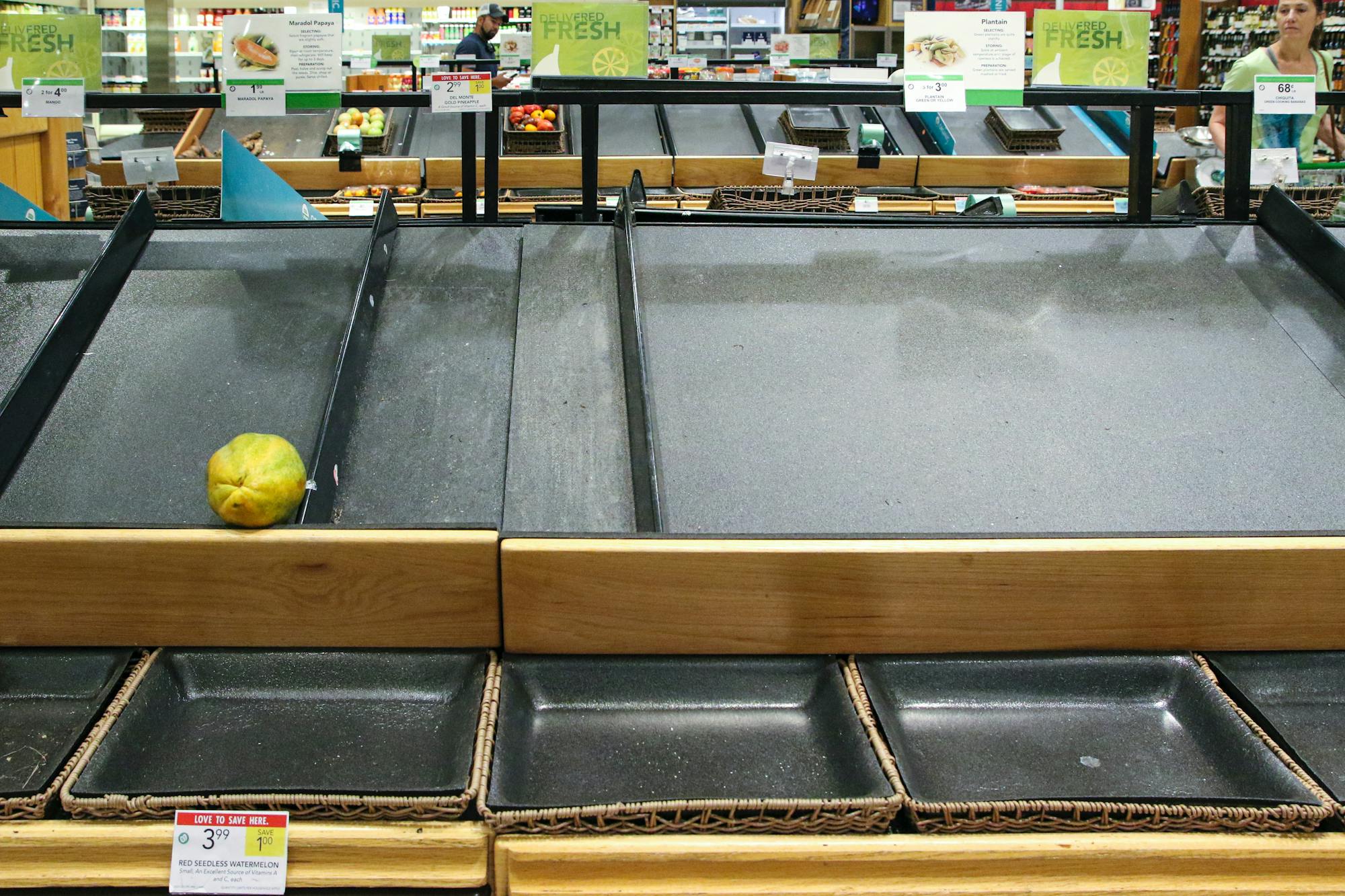
If the mission has to change quickly due to unforeseen circumstances, those systems struggle with being nimble enough to adapt and evolve. Europe's political elite and their handling of Covid-19 indeed did. The pandemic has come to represent a historic low-water mark for the European bloc with a lack of close cooperation, coordination and unity between individual states. Politicians who sought to prevent public panic reassured themselves to do nothing, thereby failing to intervene at the right time to build rapid testing capacity, stockpile PPE or begin vaccination research rapidly enough following the virus' emergence.
Worst still, the EU Commission leant on its member states to let it handle vaccine procurement, so they didn't compete for vaccine supplies. Brussels had hoped the EU's vaccination procurement scheme would be a beacon of European solidarity and strength. Instead, the Commission's ensuing three-pronged attempt to negotiate and sign several contracts with different pharmaceutical companies, at lower prices, ensuring more legal liability on the companies themselves, undoubtedly slowed the process. Slower than expected EMA approval of certain vaccines also didn't help, neither has the more significant anti-vaxxer movement across continental Europe.
It is no surprise that individual states have abandoned the EU's fundamental principles and responded differently and introduced different measures to control the virus, including their vaccination efforts. The longer the bloc struggles with the vaccine rollout, the more seriously the EU's competency gets called into question, even if individual member EU states themselves deserve to be apportioned blame for holding up the rollouts.
While the UK government's response to Covid-19 hasn't been bungle free, its vaccination programme is widely considered world-class and is a global front runner. Being free of EU decision making has been a help to the UK in this case, as indeed was the creation of the UK Vaccine Task Force (VTF). The UK VTF is a small multidisciplinary unit consisting of experts in science, technology, and logistics. Headed up by venture capitalist Kate Bingham, it was set up as an agile, mission-driven organisation. Among its mandates was to advance the UK's position at the forefront of vaccine R&D. The UK VTF was also tasked with rapidly ensuring the UK public would gain access to a safe and effective Covid vaccine. It bet big, and it bet early. And how the VTF delivered: within months, it secured orders from seven different vaccine manufacturers across four different formats, a total of 400 million doses or enough to vaccinate the entire UK population three times over. The Task Force focussed on vaccines that would reach the clinic earliest and could be manufactured at scale in the UK. It also targeted those vaccines that had the potential to secure rapid regulatory approval and be delivered ready for deployment as rapidly as possible. Of course, the UK's vaccination programme was helped by a well-prepared national health system and where there are over 3000 vaccination centres would be in place with mobile units available for those citizens who cannot reach one.
Thanks to this foresight and agility, residents of the UK should be able to return to normalcy several months before their continental European counterparts. Bureaucracy here encouraged enterprise and ingenuity. The success of its vaccination programme helps explain why Britain left the EU. Much of the time, the UK has the means and the ability to succeed. Its vaccination efforts show it is big yet agile enough to travel alone.
Subscribe to our newsletter for more insights.
Further reading
-
Announcement
If I’m going to learn, I must do it by listening
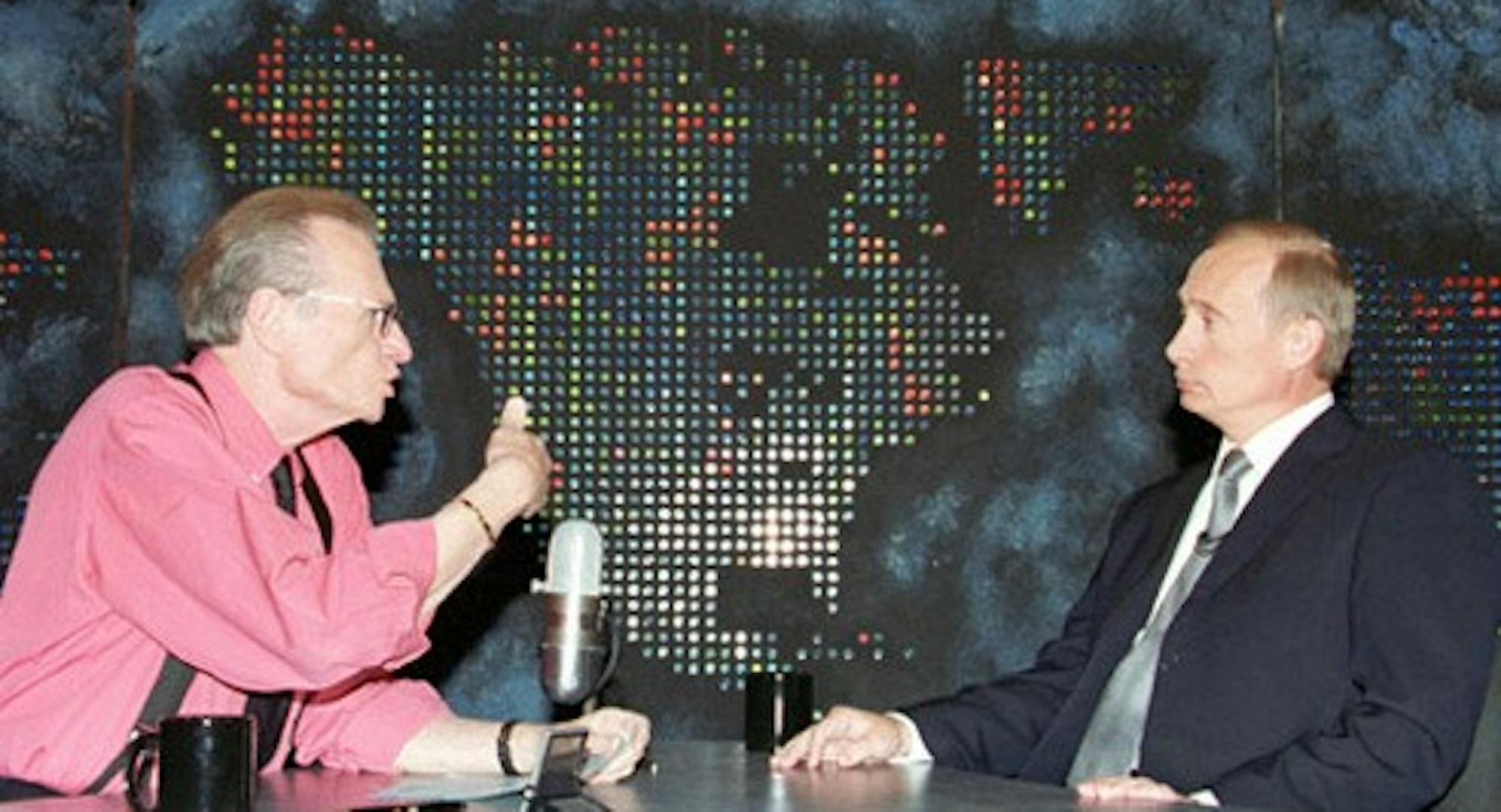
Larry King, the celebrated broadcaster who died in January, famously said: ‘I remind myself every morning: Nothing I say this day will teach me anything. So, if I’m going to learn, I must do it by listening.’
-
Announcement
Culture Of Innovation Part IV
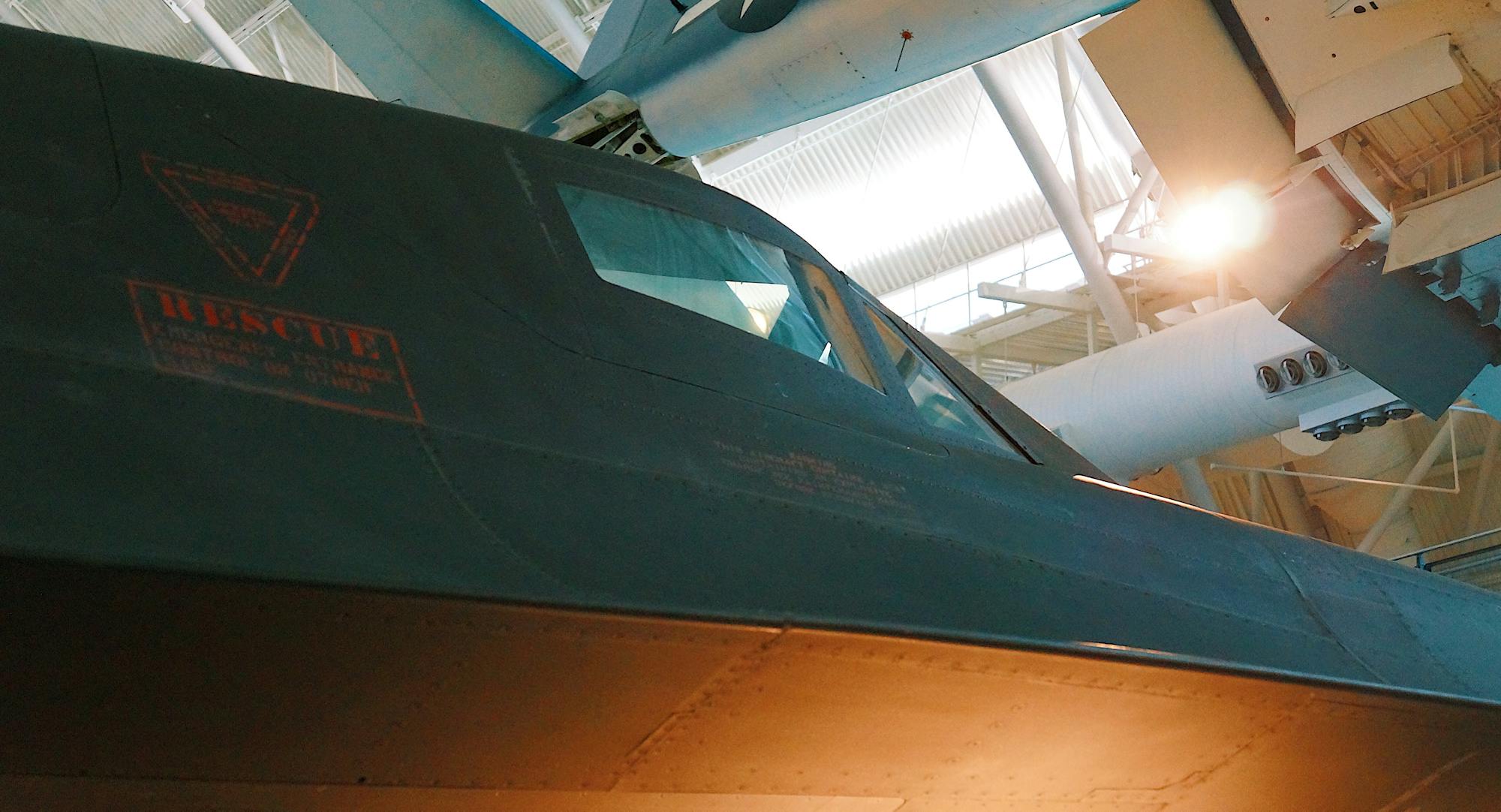
What was the ‘skunkworks’?