Back in 375 BC, the Greek philosopher Plato published his text ‘Republic’, bringing with it the phrase ‘necessity is the mother of all invention’. A couple of thousand years or so later to the time of the COVID-19 pandemic, Plato’s enduring wisdom is as pertinent as ever. COVID-19 has brought with it a humanitarian crisis which has forced us to rethink how our society and healthcare functions at multiple levels. This outbreak has prompted a seismic shift in our behaviour from dependency on interaction with a physical world to operating in a much more virtual one. While COVID-19 has been a considerable driver of rapid change – and one which has created unprecedented uncertainty – it is also this type of change which ushers in plenty of opportunity for digital innovators. Once the dust settles what will this mean for provision of healthcare to patients in future? What might a post-COVID-19 world after 2020 look like?
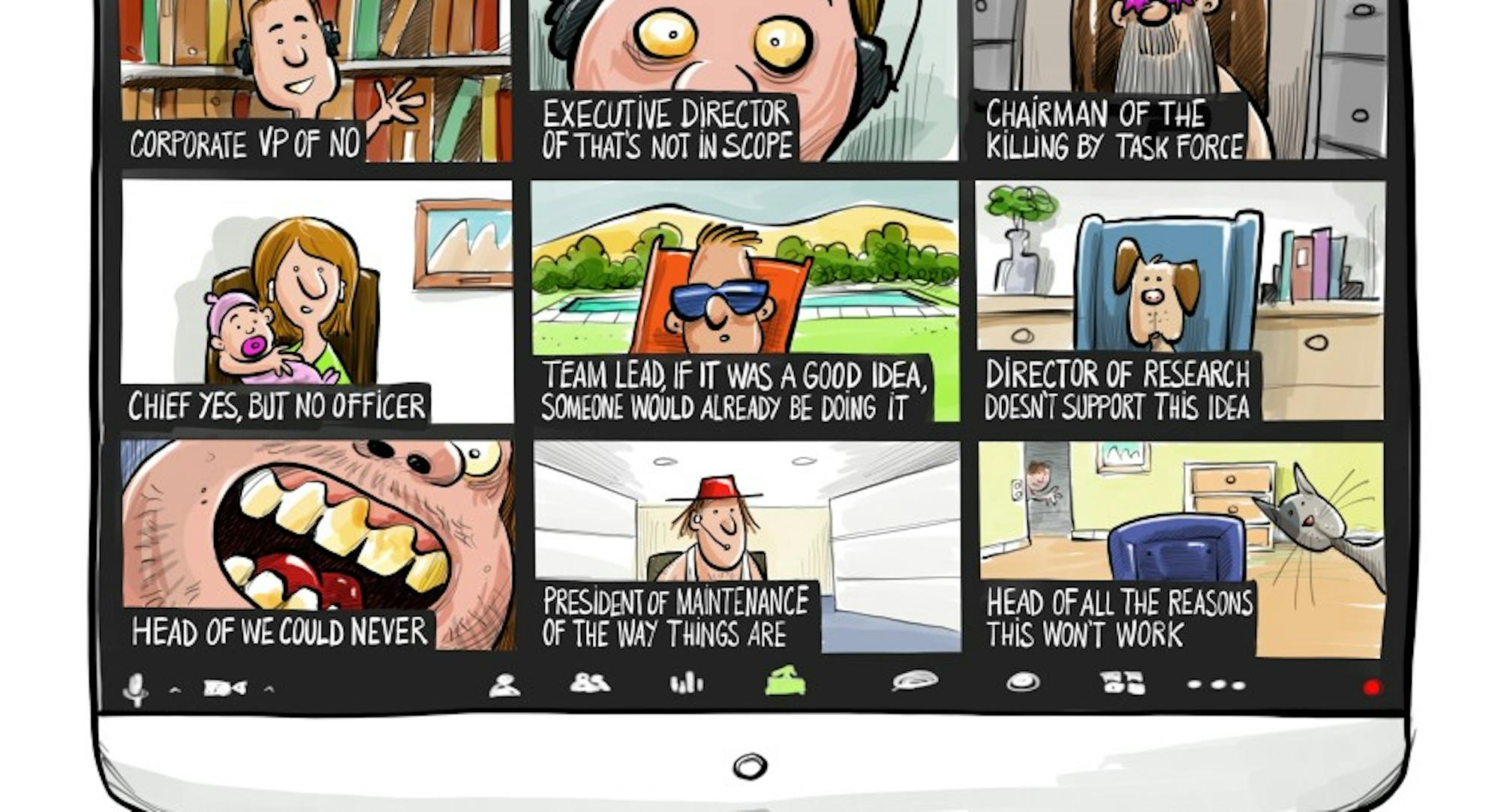
Digital technology has become synonymous with the power to disrupt, with first movers in the space typically having a significant advantage (if you think of Facebook, Tesla, Netflix, Uber, Apple, and Amazon). It has collapsed traditional sector boundaries and segregated markets. As for the healthcare sector, many analysts have heralded the imminent arrival of the digital revolution. That digital revolution has been a long time coming. The list of reasons for that is long but linked, I believe, mainly to the complexities of navigating the global healthcare ecosystem (and its risk-averse, conservative nature), and to successfully launching digital solutions created around the right design challenge.

During the COVID-19 crisis, digital technology has captured everyone’s imagination for its potential to track and fight the infection and for helping to maintain some semblance of normality when it comes to socialisation, employment, education and healthcare. The COVID-19 pandemic appears to be breaking down barriers that digital solutions have found it challenging to overcome historically while also at the same time encouraging digital technology innovators to approach design with specific, meaningful outcomes in mind. A recent report by GlobalData on digital transformation in healthcare services, suggests that the global pandemic is driving rapid remodelling of effective and efficient patient care delivery, as healthcare systems have been forced to digitalize1. Urte Jakimaviciute, Senior Director, last month observed: “Even though emerging technologies such as telemedicine have existed for decades, most healthcare systems heavily rely on in-person interactions between patients and clinicians to carry out consultations, monitoring and health-related checks. Nevertheless, the requirement of social distancing is swiftly pushing care provision towards remote options. Aside from video calls, these services include text, email and utilisation of purpose-built mobile apps. The rapid implementation of these technologies into the clinical setting showcases how quickly the sector can move towards digitalisation if there is a coordinated and consistent approach.” Despite the general upsurge in interest and adoption of digital technology, not all countries, systems and patients are equally able to harness the potential of it in 2020.
While they have received significant investment within the USA, digital solutions up to now have seen little use2. For reference, The Peterson-KFF Health System Tracker analysed a sample of health benefit claims from the IBM MarketScan Commercial Claims and Encounters Database; among enrollees in large employer health plans with an outpatient service, 2.4% had utilised at least one telehealth service in 2018 (up from 0.8% in 2016). In part, utilisation was limited by a lack of uniform coverage policies across insurers and states and hurdles to establishing telemedicine in health systems. Concerning the latter, this is a matter of high startup costs, difficulty in moving away from existing legacy systems, substantial workflow reconfiguration, poor clinician buy-in, and lack of patient interest. As US policymakers, insurers and health systems have sprinted to find ways to continue to deliver effective patient care during the COVID-19 crisis, investment in digital technology has grown significantly to provide that care remotely. Under the current Trump administration, recent changes in US federal government policy, coverage and implementation should make digital technology in healthcare more accessible and reimbursable3.
Across the pond to European member states, and several vital issues persist, which are barriers to digital adoption:
Data management/privacy: there is no unified approach towards data privacy and security across the EU which empowers citizens while also providing a stable environment for digital innovation
Data accessibility: data often remain ‘static’ and isolated in member states due to insufficient commitment to common standards and specifications for the transfer of information. Lack of interoperability has dramatically diminished the opportunity thus far.
Appropriate incentives: Financing and reimbursement policies across member states continue to lack consistency, and applicable incentives for the development of innovative digital technologies are lacking
Change management: Digital health has the potential to disrupt the traditional entire patient journey from diagnosis to management and to the way care is delivered. Most care systems are not prepared
Spearheaded by Ursula von der Leyen, Europe’s previously disconnected digital technology policy is being given an overhaul too. Europe should see a proliferation of new or revised legislation covering the tech sector, European Data Strategy and Platform Regulation, 5G and AI, to enable the digital revolution in Europe. At the core of that policy from a healthcare perspective, is the desire to bring about accessible, seamless and effective cross-border care.

Beyond Europe and the USA, the biggest issue is lack of infrastructure and patient access to digital technology. According to UNESCO, although internet user penetration rate is 51.2%, it is only 45% in developing countries and 20% in the least developed countries5. Digital and knowledge divides have always existed, but in a situation like COVID-19 where many people have to stay isolated in one place, it morphs from a disadvantage to a debilitating disability.
It will take years for the global economy to recover from COVID-19 fully, but I believe many of the lessons learned will serve society well in reshaping healthcare of the future. Based on the above observations about the environment, it is clear to me that COVID-19 has catalysed many state-level changes which are percolating down into healthcare systems and medical practice. Okay, the revolution still hasn’t arrived, but many obstacles are dissolving. Decision-makers, policymakers and customers are rapidly moving through the adoption curve; all are shifting their view of digital technology and its utility. Post-2020, healthcare systems will likely continue to be reinvented, initially driven by a common goal to eliminate future viral outbreaks. And that is probably just the beginning in terms of real digital evolution. There will also be even more demand for significant cost savings, real-world improvements to patient outcomes, decision agility, and process efficiency and effectiveness. For the innovators out there, that means with the right purpose, vision, agility and decisiveness; you stand to win the day sooner rather than later. Sounds like being able to rapidly pivot into the future digital opportunity needs a good strategy.
Digital transformation in healthcare services is being accelerated by COVID-19, Global Data, May 2020
Opportunities and Barriers for Telemedicine in the U.S. During the COVID-19 Emergency and Beyond, Kaiser Family Foundation, May 2020
President Trump Expands Telehealth Benefits for Medicare Beneficiaries During COVID-19 Outbreak, CMS.gov, May 2020
Shaping Europe’s Digital Future, European Commission, February 2020
The State of Broadband: Broadband as a Foundation for Sustainable Development, UNESCO, September 2019