Turning science into successful medicines… It's about the decisions, not the molecules
- Innovation
Collectively, the top 20 pharmaceutical companies spend approximately $60 billion on drug development each year, and the estimated average cost of bringing a drug to market (including drug failures) is now $2.6 billion—a 140 percent increase in the past ten years. (1)
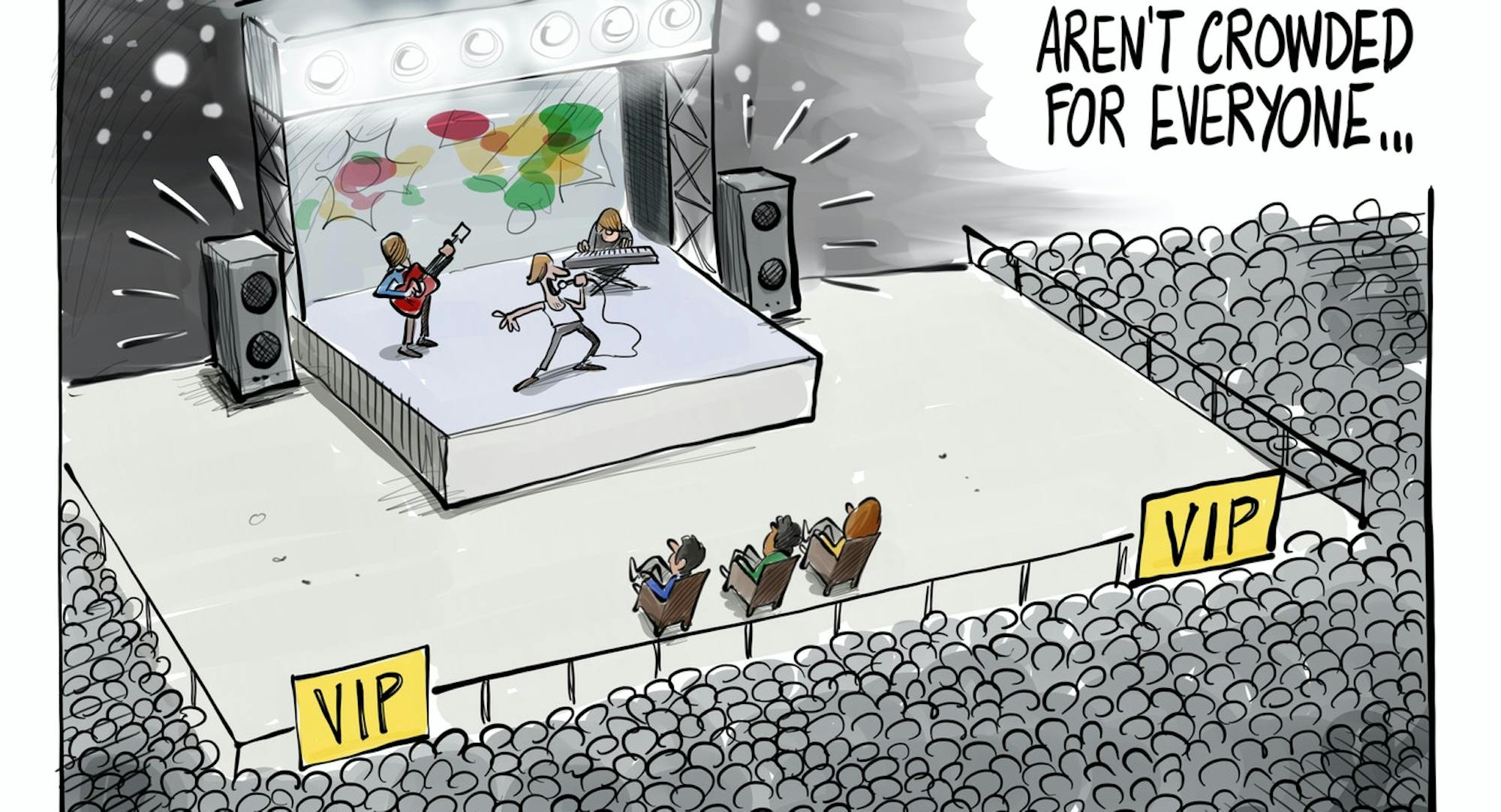
The FDA approved 53 novel drugs in 2020 and an additional 46 year-to-date in 2021. (2), (3) Many approvals were in highly competitive therapeutic areas, such as oncology, where product positioning and differentiation are challenging. Additionally, studies have shown that very few marketed drugs are financially successful.
The value-cost imperative continues to be a priority for all stakeholders as expensive therapies enter the market. Changes in healthcare policy and rising healthcare cost pressures will make future market access even more uncertain.
The time is now - supercharge R&D
Based on our experiences in many therapy areas and markets, we believe the time is right for biopharma companies to supercharge R&D, from pre-clinical to life cycle management.
Five success factors form the basis for medicines to reach patients faster, reduce development costs, and improve decision making and value creation.
1. Solidify cross-functional collaboration
Successful drug development demands a cross-functional approach, beginning in the earliest, pre-clinical stages. R&D and Commercial siloes are not uncommon in biopharma,
keeping priorities imbalanced and creating challenges for company leadership to fully appreciate the rewards and risks in their decision-making process. However, when biopharma teams work together more creatively, seeking to explore and iterate on the way through, they harness the benefits of cross-functional expertise and experience. Strong cross-functional collaboration and leadership are critical to ensure sound decision-making.
2. Serendipity ≠ luck
Given the uncertainties in bringing medicines successfully to market, biopharma companies must plan for serendipity to see the opportunity that new knowledge about the asset or the market presents. A plan to learn rather than a plan to predict can help biopharma teams develop insight about assumptions that underpin their drug development and commercial strategies - providing them with an opportunity to make better decisions when new knowledge becomes available.
3. Start earlier
By bridging R&D and commercial key activities at the earliest stages of drug development, companies have the best chance of reaching strategically informed decisions. Based on what's biologically plausible and market insights, biopharma companies, should develop a range of path-to-market approaches - TPPs - and experiments to learn more about the potential of their assets and strategies to maximise asset value. If a decision to pivot a drug development programme can be made at its earliest time, it can save biopharma companies disappointments and hundreds of millions of dollars in R&D.
4. Opportunity seeking approach
Asset- and portfolio planning and management need a structured but agile process to evaluate and progress drug development and commercial planning. A novel and proven methodology like fivex has beneficial implications for the program strategy, including indication selection and trial sequencing. It combines inputs from internal cross-functional stakeholders (for example, in commercial and therapy area strategy, market access, competitive intelligence, regulatory, and clinical operations) and analytics. Fivex is our way of working that ensures biopharma teams can learn throughout the process, keeping options alive and creating more diverse path-to-market options per asset.
5. Use enabling technologies
Along with the digitisation of business operations, innovative use of data can accelerate drug development, making it more effective and efficient. The fivex web app is an example of a solution that helps biopharma teams to create, iterate, evaluate and manage a range of path-to-market options on an asset and portfolio level. A real-time dashboard and repository of path-to-market options and their supporting clinical, regulatory and commercial rationale - always up-to-date with the latest assumptions - streamlines the time needed to get better options and better decisions. The short-cycle time in the development of COVID-19 vaccines has taught us that collaboration and co-creation within the internal and external ecosystem are crucial for product development and the delivery of exciting innovations.
Want to increase your chance of market success? Sign up for fivex today.
(1) Innovation in the pharmaceutical industry: New estimates of R&D costs; Joseph A. DiMasi, Henry G. Grabowski, and Ronald W. Hansen, Journal of Health Economics, May 2016, Volume 47, pp. 20–33, sciencedirect.com
(2) 2020 FDA drug approvals; Asher Mullard, Nature Reviews Drug Discovery, 5 January 2021
(3) Novel Drug Approvals for 2021; FDA website, https://www.fda.gov/drugs/new-drugs-fda-cders-new-molecular-entities-and-new-therapeutic-biological-products/novel-drug-approvals-2021, visited on December 15, 201